Guest: Ricardo Bas, a second-generation veterinarian raised in Sotogrande/La Línea
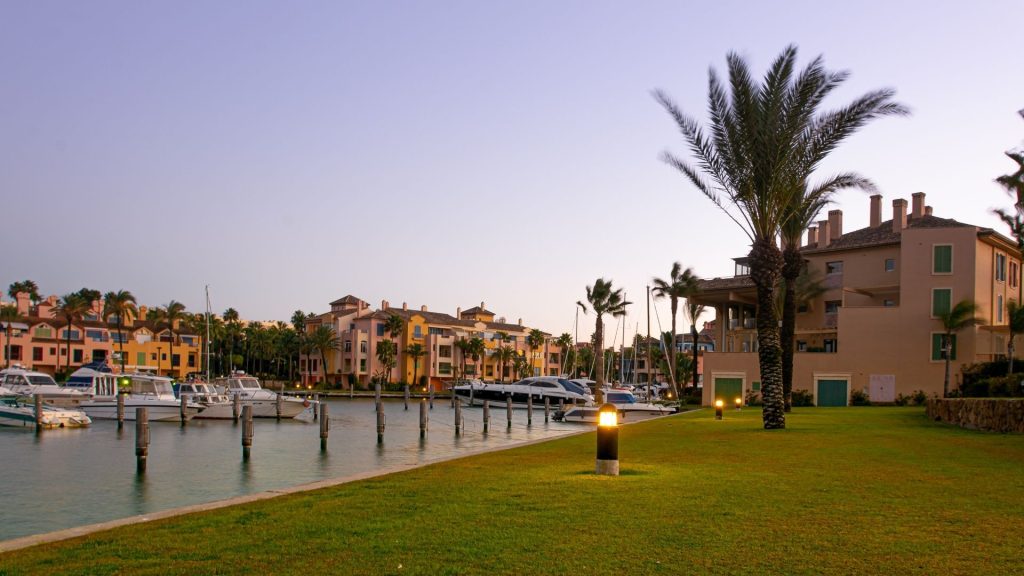
Sotogrande is a wonderful place to live with a dog or cat. There is space, sunshine, outdoor living, walking routes, cafés with terraces, nearby countryside and a generally pet-friendly community.
I spoke with Ricardo Bas, a vet at Clínica Veterinaria Soto Vet in Pueblo Nuevo de Guadiaro, about pets, veterinary care and what international families should know when moving to Sotogrande with animals.
A local vet with deep Sotogrande roots
Ricardo was born in La Línea and has lived most of his life in and around Sotogrande. He attended Sotogrande International School as a child before moving into the Spanish education system and later studying veterinary medicine in Madrid.
Veterinary care runs in the family. His father works with horses, particularly within the local polo world, while his mother specialises in small animals and opened the clinic around 30 years ago. Today, Ricardo works alongside her, focusing mainly on dogs and cats.
Sotogrande: a pet-loving community
For many residents, pets are not simply animals, they are family. Dogs and cats are part of everyday life here, and Sotogrande is particularly well suited to them.
There are open spaces, walking areas, nearby countryside, and plenty of restaurants and cafés where dogs are welcome outside. Ricardo believes Sotogrande is a very dog-friendly place, but with one important condition: dogs should be well trained.
A well-trained dog can be taken almost anywhere. A badly behaved dog, however, can become stressful for owners, other people and the animal itself.
Why dog training matters
One of Ricardo’s strongest recommendations is that owners invest time in training their dogs. This is especially important in a community like Sotogrande, where people often take their dogs to terraces, parks, social spaces and public areas.
Good training helps create a balanced dog. It also makes life easier for everyone. Not everyone loves dogs, and even those who do may not enjoy a dog jumping on them, barking excessively or frightening children.
Sotogrande could benefit, Ricardo suggested, from more general dog-training education for new owners, simple guidance on how to handle, socialise and manage a dog properly.
Moving to Spain with a dog or cat
For families arriving from abroad, the first priority is paperwork.
Ricardo advises new residents to register their dog in Spain as soon as possible once they have their NIE number. The dog’s microchip must be registered locally, and a Spanish or EU pet passport can then be issued through the vet.
For travel within the EU, pets generally need a valid European pet passport and up-to-date rabies vaccination. For the UK, additional tapeworm treatment and certification are required before travel, usually within a specific time window before departure.
The key advice is simple: speak to your vet early, not the day before travelling.
Essential vaccinations and prevention
Apart from the usual vaccinations, rabies protection, deworming and flea/tick prevention, Ricardo particularly recommends vaccination against leishmaniasis when a dog comes to Spain.
Leishmaniasis is transmitted by sandflies and is much more relevant in southern Spain than in many northern European countries. For this reason, prevention is important.
He also recommends a general health check at least once a year, even if the animal appears healthy.
Common risks for dogs in Sotogrande
There are a few local hazards that pet owners should know about.
One of the most serious is the pine processionary caterpillar, usually seen from February to April around pine trees. These hairy caterpillars can cause severe allergic reactions in dogs. If a dog licks or bites them, the face and tongue may swell, breathing can become difficult, and in serious cases the dog can lose part of its tongue.
If this happens, act immediately and go to the vet.
Another risk is fishhooks on the beach. Dogs can swallow hooks left behind by fishermen, and in some cases surgery may be required. This is one reason owners should be careful when walking dogs on beaches.
Heatstroke is another major summer danger. Dogs should never be left in cars, should always have access to shade and water, and should not be exercised in extreme heat. Warning signs include heavy panting, nervousness, unusual behaviour and later lethargy. If you suspect heatstroke, cool the dog gradually with wet towels and contact a vet.
Beaches, leads and responsible ownership
Dogs are not generally allowed on many beaches during the summer season, although Ricardo mentioned that there is a designated dog beach in Casares which owners may not know about.
In public streets, dogs should be walked on a lead. Some owners ignore this, but Ricardo’s view is clear: in streets and public areas, a lead is safer and more responsible.
And of course, owners should always pick up after their dogs. It is a basic issue of respect for neighbours, the environment and the community.
Stray cats, shelters and adoption
Sotogrande and the surrounding areas also have stray animals, particularly cats. Ricardo sees more stray-cat issues than abandoned dogs, although local shelters and cat associations do important work in San Roque, La Línea, Los Barrios and nearby towns.
Many residents help through adoption, fostering or supporting local animal groups.
A good place to be a pet
Ultimately, Ricardo’s message was positive. Sotogrande is a very good place to have a pet. There is space, outdoor living, a dog-friendly culture and a strong veterinary network.
But responsible ownership matters. Register your pet correctly, keep vaccinations up to date, protect against local diseases, train your dog, use a lead in public areas, and be aware of seasonal risks such as heat and processionary caterpillars.
Pets are part of family life here — and with the right care, they can enjoy Sotogrande just as much as we do.
🎙️ This post draws from insights shared in one of our episodes, available on YouTube and Spotify. For more on Sotogrande’s insider tips, tune in and explore other episodes too.
To discuss areas, schools, and commuting options, or to see a short list of homes that fit your brief, reach out to Noll Sotogrande Real Estate, our incredible Sponsor co-owned with Stephanie Noll, without whom none of this would be possible.
Thank you, Charlie.